

Álvaro Somoza studied Chemistry at Universidad Autónoma de Madrid where he did his Ph.D., under the direction of Prof. Carmen Carreño, focused on the total synthesis of Rubiginones. He then joined the group of Prof. Eric Kool at Stanford University. There he worked on a project focused on using modified oligonucleotides to study the role of sterics and hydrogen bonding interactions in RNA interference. Later, he moved to Barcelona to work with Dr. Ramón Eritja at the IRB, where he started a project devoted to the study of the interactions between RNA strands and the protein involved in RNA interference. In 2009, he joined IMDEA Nanociencia and was promoted to Senior Scientist in 2015.
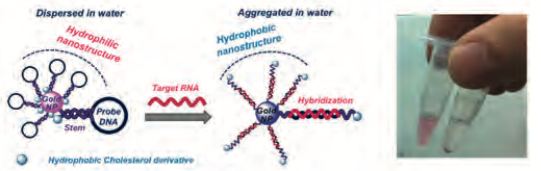
The research of Dr. Somoza is focused on the preparation of modified oligonucleotides and function alization of nanoparticles for different biomedical applications, such as the detection and treatment of Uveal Melanoma, Pancreatic and Breast Cancer and Duchenne Muscular Dystrophy. Particularly, modified nucleic acids are conjugated to nanoparticles for the regulation and detection of relevant genes and microRNAs involved in those diseases. Some of the sensing systems aim to work with ex vivo samples (RNA extracts) without the need of any equipment. Here, a change in the colour of a solution will confirm the presence of the disease.
For the treatment of the diseases, the nanostructures are also functionalized with different drugs and targeting molecules to improve their efficacy as nanomedicines. In this case, the aim is also to build robust and selective systems that can be translated to in vivo experiments.
Mario Martínez Mingo obtained his BSc (2015) and MSc (2016) in Chemistry from the Universidad Autónoma de Madrid (UAM). He completed his PhD at the same university under the supervision of Prof. Juan Carlos Carretero and Dr. Nuria Rodríguez, focusing on the selective C–H bond functionalization via long-range metallacyclic intermediates stabilized by sulfur-containing coordinating groups. He subsequently joined Dr. Álvaro Somoza's group at IMDEA Nanoscience as a Juan de la Cierva researcher, where his work was centered on the synthesis and functionalization of nucleic acids for therapeutic applications. Currently, he is a researcher at IMDEA Nanoscience. His research now focuses on the development of targeted therapies based on aptamers for rare diseases, as well as the delivery of therapeutic oligonucleotides, including siRNA, antisense oligonucleotides (ASOs), plasmid DNA (pDNA), and mRNA, and the design of advanced nanosystems for biomedical applications.
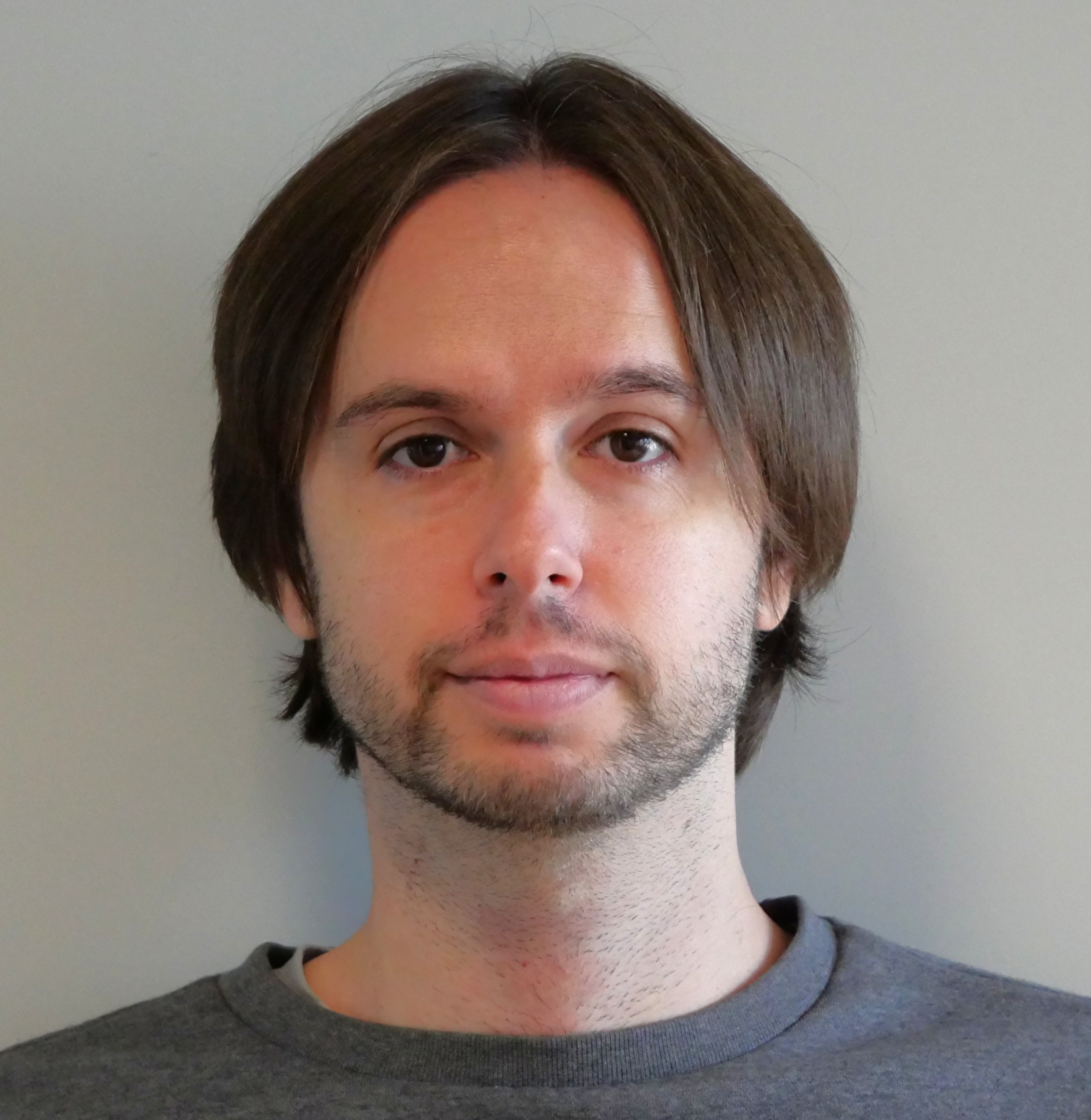
Demian Pardo studied Biochemistry at Universidad Autónoma de Madrid, where he also obtained his master’s degree in biotechnology studying the “mechanisms implicated in the reprogramming of primordial germ cells and DNA damage caused by hypoxia” under the supervision of María Paz de Miguel Gonzalez . Then, he worked as laboratory technician at Instituto de Química Orgánica General at the oligosaccharides and glycosystems group in Spain till 2018. In 2023 he finished his industrial PhD at IMDEA Nanociencia and Synthelia Organics under the supervision of Dr. Álvaro Somoza and Dr. Francisco Tato.
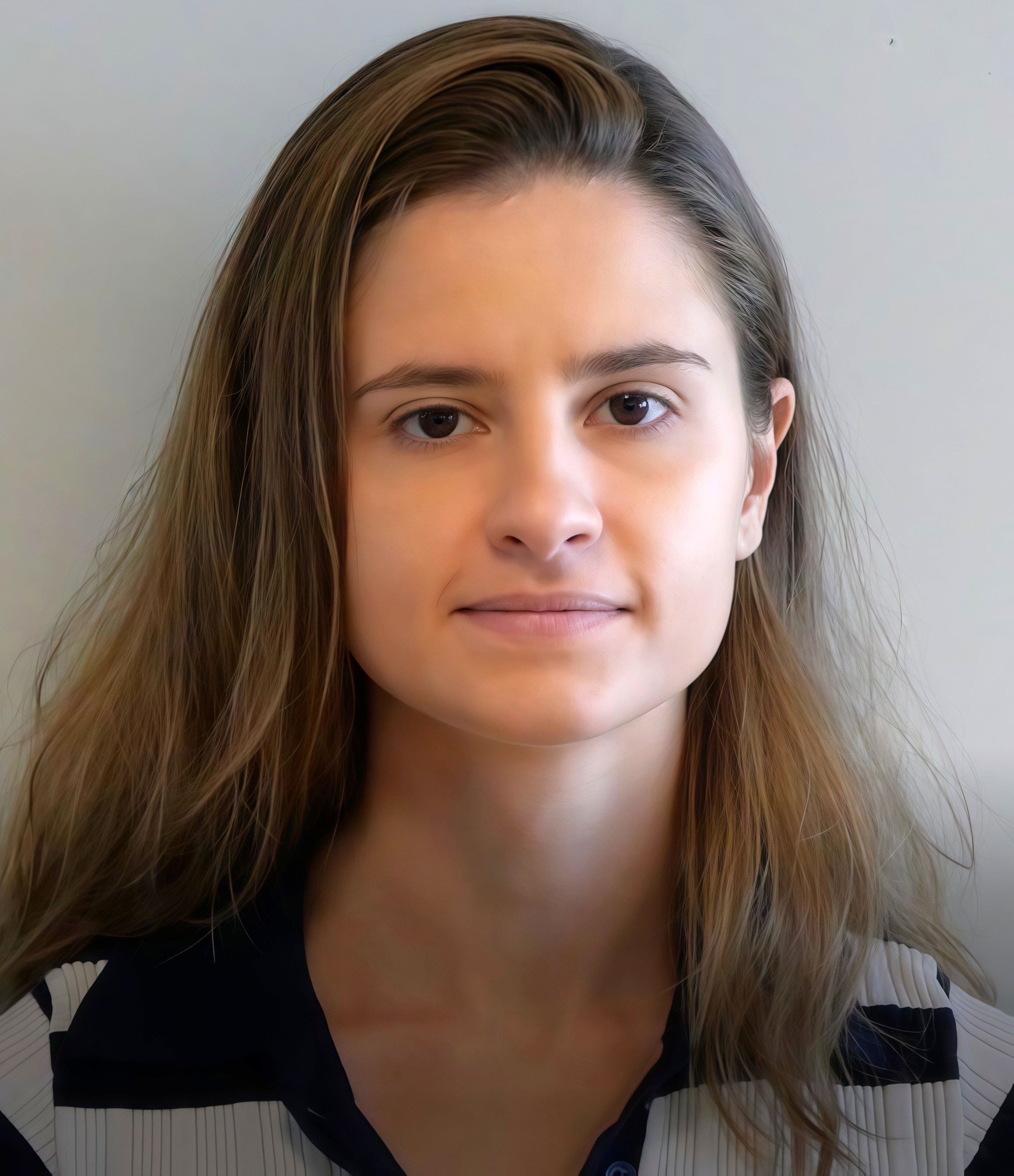
Irene Pardo studied Biotechnology at the Universidad Francisco de Vitoria. In 2020, she did her internship for her Final Degree Project at the Department of Biochemistry and Molecular Biology of the Miller School of Medicine in Miami (US) for 6 months, under the supervision of Prof. Sylvia Daunert.
Currently, she has started her PhD studies in the Biology Program at the Universidad Autónoma de Madrid, in Prof. Álvaro Somoza’s nanobiotechnology group at IMDEA Nanociencia.

Vu Phong Dinh studied Biotechnology at Can Tho University in Vietnam. During his undergraduate studies, he completed a short internship at Khon Kaen University in Thailand, where he gained early exposure to laboratory research in the life sciences. He continued his academic training by pursuing a Master's degree in Nanobiotechnology at Gachon University in the Republic of Korea.
Currently, he is pursuing his PhD in Molecular Bioscience Medicine at Universidad Autónoma de Madrid, Spain, within Prof. Álvaro Somoza's nanobiotechnology group.

Denise Maria Cuscela obtained her Bachelor’s degree in Biological Sciences from the University of Bari in 2018. During this period, she gained her first laboratory experience in molecular and cellular biology, acquiring practical skills in techniques such as spectrophotometry, SDS-PAGE, Western blotting, and fluorescence microscopy. Her undergraduate thesis focused on the intestinal transport of amino acids. Since January 2025, she is a PhD researcher at the IMDEA Nanociencia Institute.

Guillermo Gutiérrez López studied Pharmacy at the UCM. In 2021, he obtained his Master´s in Pharmaceutical Design and Engineering at the Technical University of Denmark (DTU) (Denmark). He completed his Master´s thesis about the Development and evaluation of a novel polymeric platform encapsulating immune-stimulatory molecules for immunotherapeutic applications under the supervision of Dr. Thomas L. Andresen, Dr. Gael Claergoud, and Dr. Sven Weller
Currently, he has started her PhD studies in the Advanced Material and Nanotechnology Program at the UAM, in Prof. Álvaro Somoza’s nanobiotechnology group at IMDEA Nanociencia.

Ammara Safdar holds a Bachelor’s degree in Nanoscience and Nanotechnology from Preston University, Islamabad, Pakistan, where she developed a strong foundation in materials science and nanotechnology. She obtained her Master’s degree in Nanoscience and Technology from the University of the Chinese Academy of Sciences (UCAS), conducting her research at the National Center for Nanoscience and Technology (NCNST).
Currently, she is a pre-doctoral researcher at IMDEA Nanociencia under the IDEAL PhD Fellowship (MSCA-COFUND Programme) and a PhD candidate in Advanced Materials and Nanotechnology at UAM, under the supervision of Prof. Álvaro Somoza.